“Which gemstone should I wear?” is easily the question I hear most. Almost everyone who comes to me has a story: a relative who swears by Neelam, a jeweller who “just knows” what suits you, or a WhatsApp forward with a chart of stones for every zodiac sign.
Let me say it gently: choosing an astrological gemstone needs a little more care than that. A gemstone is worn to strengthen one particular planet in your Kundli, so it should never be picked by colour, birth month or fashion. A beautiful stone is not automatically your stone!
Why Do We Use Gemstones in Vedic Astrology?
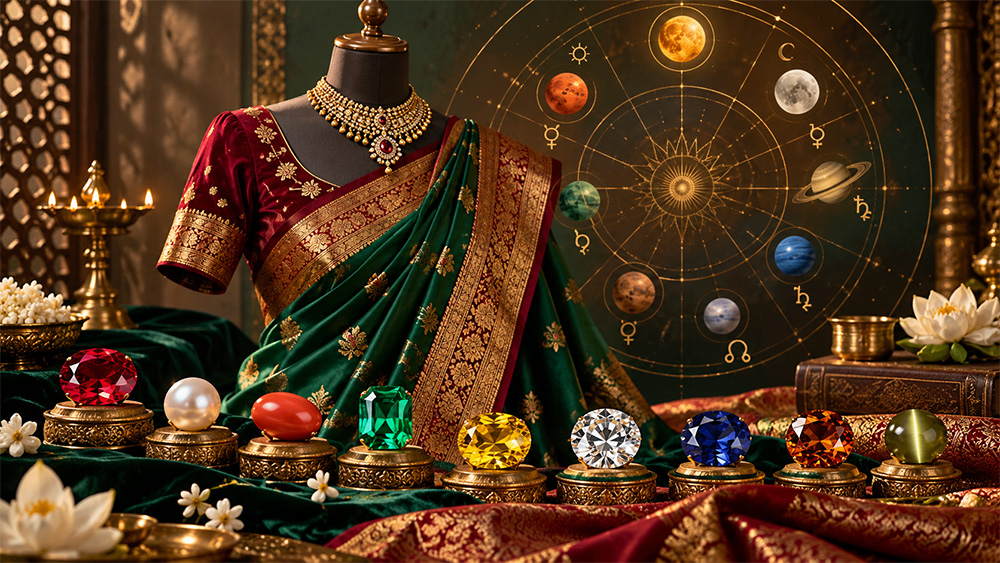
Ratna Shastra links particular gemstones with the nine Grahas of Jyotish. The main matches are:
✦ Surya: Ruby
✦ Chandra: Pearl
✦ Mangala: Red Coral
✦ Budha: Emerald
✦ Guru: Yellow Sapphire
✦ Shukra: Diamond
✦ Shani: Blue Sapphire
✦ Rahu: Hessonite
✦ Ketu: Cat’s Eye
The idea is not simply to wear the stone of a planet that “looks weak”. First, the astrologer checks whether strengthening that planet is a good idea in your Kundli at all. This step is very important, and it is the one most often skipped.
Why Your Rashi Alone Is Not Enough
You must have seen those tables that say “Leo? Wear Ruby. Cancer? Wear Pearl.” They are fun for general knowledge, but they cannot give you a personal recommendation.
A proper analysis begins with your Lagna, the houses each planet rules, planetary dignity, conjunctions, Drishti and the overall condition of the Kundli. The Mahadasha and Antardasha, the Navamsa and the current Gochara can matter too.
For example, two people can have Chandra in the same Rashi and still need completely different gemstone advice, because their Lagnas and house lordships are different.
What Makes a Gemstone Suitable?
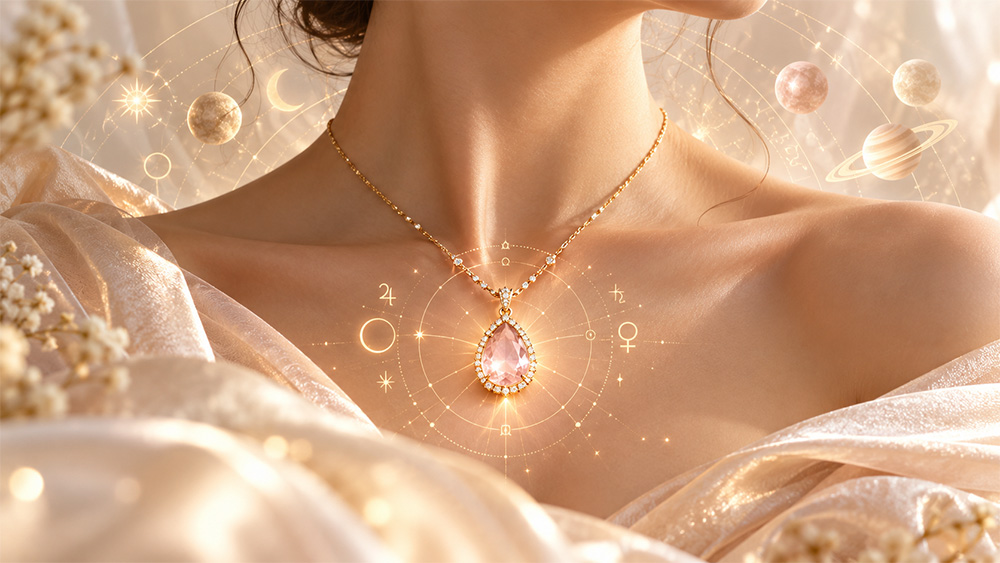
There is also the gemmology side, and here the quality of the stone matters just as much as the planet it belongs to. When I examine a stone, I look at:
✦ natural or synthetic;
✦ transparency and clarity;
✦ colour saturation;
✦ visible inclusions;
✦ fractures and durability;
✦ signs of treatment;
✦ origin, where relevant;
✦ weight and proportions;
✦ laboratory certification.
A stone bought for jewellery and a stone chosen for Jyotish may be judged a little differently. In Ratna Shastra, the stone should show the quality of its planet as clearly as possible.
Natural, Synthetic and Treated Stones
A natural stone is formed in nature. A synthetic stone has almost the same chemical makeup but is grown in a laboratory. Treatment is a separate matter: heating, fracture filling, diffusion and other processes are common in today’s gemstone trade. Some treatments are stable and widely accepted, while others change the stone a lot.
That is why I always tell my clients to ask for a recognised gemmological report when buying an expensive stone. Please do not depend only on the seller’s word, however friendly the jeweller is!
Does Carat or Ratti Matter?
In our shops, weight is usually quoted in carats or ratti. You will also find plenty of online “rules” saying you must wear a fixed number of ratti according to your body weight. The classical approach is more flexible than that.
Size matters, but so do quality, suitability, setting and the tradition your astrologer follows. A big stone of poor quality should never be chosen over a smaller, finer one.
Should You Wear a Gemstone Immediately?
Not always, so hold on before you rush to the jeweller. This is especially true for powerful stones like Neelam for Shani, Gomed for Rahu and Lehsunia for Ketu.
First understand why that planet is being strengthened. Wearing a stone because it is trending, expensive or worn by your cousin is not good Jyotish practice.
The Right Question to Ask
Instead of asking only “Which gemstone is lucky for me?”, try asking this:
“Which planet in my Kundli is right to strengthen, and which gemstone can support it?”
A good recommendation brings Jyotish and gemmology together. The Kundli tells us whether the planetary influence suits you, and gemmology tells us whether the stone is genuine and of good quality. When both are respected, Ratna Shastra stays a disciplined practice and does not slip into superstition or fashion.
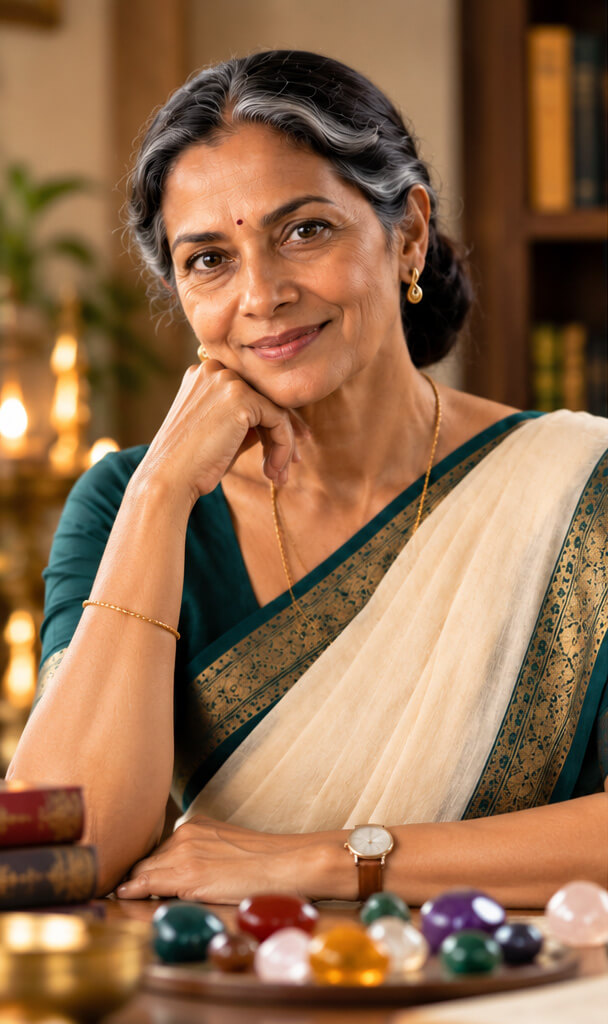
Want a stone recommendation made just for you? Drop me a message. I am Devika Mehta, and I would love to go through your Kundli with you.